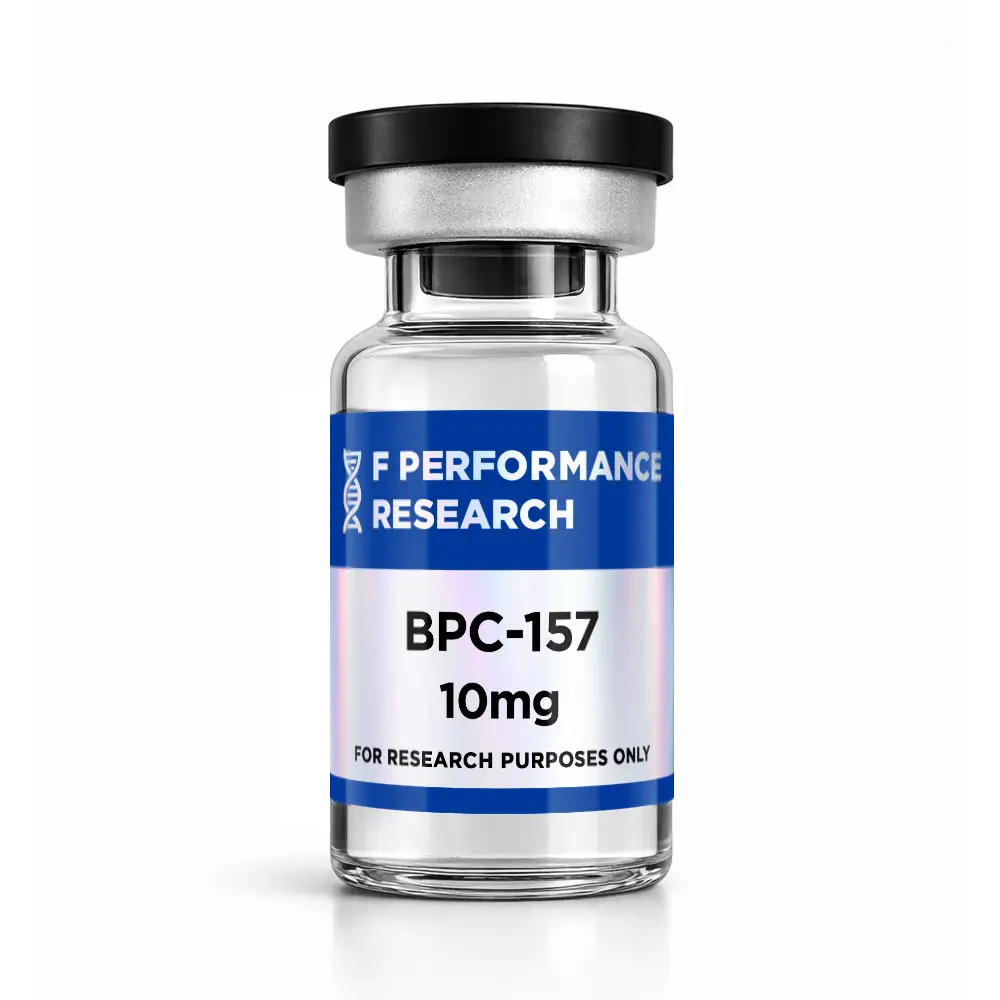
BPC-157, 10mg
$49.00
- Purity: >99%
BPC-157 10 mg is a synthetic peptide compound supplied in a lyophilized format for laboratory handling and research applications. It is commonly utilized to study cellular signaling, angiogenesis, and tissue modeling pathways in controlled research environments. This material is intended strictly for research and development purposes only and is not for human consumption.
- Products arrive in lyophilized powder form for optimal stability.
Availability: In stock
Purchase & earn 49 points!| Quantity | Fixed price |
| 3 - 9 | $45.00 |
| 10 - 1000 | $39.00 |
- Ships out next business day
- Free shipping over $150.00
Product Usage
Please note that all products featured here are intended exclusively for research and development purposes. They are not designed for any form of human consumption. These products have not undergone evaluation by the U.S. Food and Drug Administration.
BPC-157, 10mg
Description
BPC-157 10 mg is a synthetic peptide derived from a partial sequence of a naturally occurring protein, supplied in a lyophilized (freeze-dried) format to support stability and standardized handling in laboratory settings. This presentation is intended solely for research use and does not imply suitability for ingestion or any specific route of administration.
In preclinical and in vitro studies, BPC-157 has been widely examined for its interaction with pathways related to cellular repair mechanisms, angiogenesis, and tissue modeling processes. Researchers have explored its influence on signaling pathways associated with nitric oxide activity, growth factor regulation, and cellular migration within experimental models. These investigations remain limited to laboratory and preclinical environments, and further research is required to fully understand its mechanisms and broader implications.
The 10 mg format allows for precise measurement and controlled experimental application in research settings and should be handled in accordance with appropriate laboratory protocols.
BPC-157 is supplied exclusively for research and laboratory use. It is not approved by the U.S. Food and Drug Administration for any therapeutic or clinical applications. This product is not intended to diagnose, treat, cure, or prevent any disease and must not be used for human or veterinary consumption.
All handling should be conducted by qualified professionals in appropriate research facilities, following applicable regulatory and safety standards.